
Understanding the importance of liability insurance is paramount for flooring installers, as it serves as a crucial safety net in the unpredictable world of construction. From potential risks to financial protection, this guide delves deep into the realm of liability insurance for flooring professionals.
Exploring the various types of coverage, key factors to consider when choosing insurance, and the claims process, this comprehensive overview equips installers with the knowledge they need to navigate the intricate landscape of liability insurance.
Importance of Liability Insurance for Flooring Installers
Liability insurance is a crucial safeguard for flooring installers, providing protection against potential risks and financial liabilities that may arise during their work.
Potential Risks Without Liability Insurance
- Accidental damage to a client's property during installation, such as scratching hardwood floors or spilling chemicals on carpets.
- Personal injury to clients or third parties, like slips, trips, or falls due to improperly installed flooring.
- Failure to meet building codes or industry standards, leading to legal disputes or costly rework.
Protection from Financial Loss
Liability insurance can cover legal fees, settlements, and damages in case of lawsuits or claims filed against flooring installers. It provides a safety net to prevent financial ruin and ensures that installers can continue their business operations without major disruptions.
Types of Liability Insurance Coverage
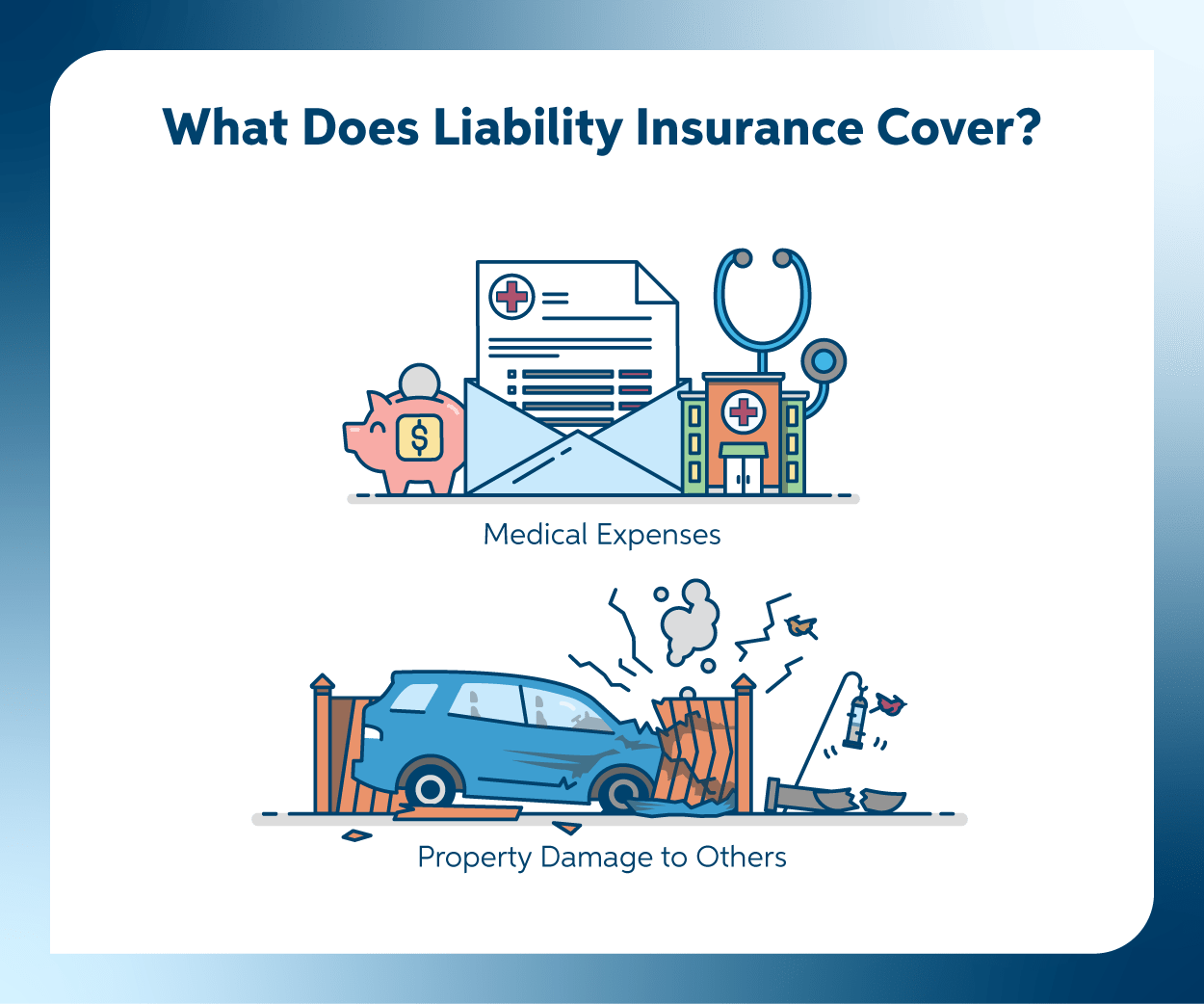
When it comes to liability insurance coverage for flooring installers, there are several types to consider. Each type offers different protections and benefits, so it's essential to understand the options available.
General Liability Insurance
General liability insurance is the most basic type of coverage that most flooring installers should have. This insurance protects against third-party claims of bodily injury, property damage, and advertising injury. It can help cover legal fees, medical expenses, and settlements if a customer or visitor is injured on the job site or if property is damaged during installation.
Professional Liability Insurance
Professional liability insurance, also known as errors and omissions insurance, is crucial for flooring installers who provide design advice, recommendations, or consulting services. This coverage protects against claims of negligence, errors, or omissions in the professional services provided. It can help cover legal defense costs and settlements if a client alleges that the installer's work resulted in financial loss or damage.
Benefits of Comprehensive Liability Insurance Coverage
Having comprehensive liability insurance coverage, which includes both general liability and professional liability insurance, offers flooring installers a more complete protection package. This combined coverage ensures that installers are covered for a wide range of potential risks and liabilities that may arise during their work.
By having both types of coverage, flooring installers can have peace of mind knowing they are financially protected in case of unexpected accidents, damages, or claims.
Factors to Consider When Choosing Liability Insurance
When selecting liability insurance, flooring installers need to take into account several key factors to ensure they have adequate coverage for their business. Factors such as the size of the business and the scope of work can significantly impact the choice of insurance coverage.
Here are some tips on evaluating insurance providers and policies:
Size of the Business and Scope of Work
One of the most important factors to consider when choosing liability insurance is the size of your business and the scope of work you undertake. Larger businesses with more employees and higher revenue may require more comprehensive coverage compared to smaller businesses.
Similarly, the type of flooring installations you specialize in can also impact the level of risk involved, which in turn affects the type of coverage needed.
Evaluating Insurance Providers and Policies
When evaluating insurance providers and policies, it's essential to compare different options to find the best fit for your business. Consider factors such as coverage limits, exclusions, deductibles, and premiums. Look for insurance providers with a solid reputation and a track record of handling claims efficiently.
Additionally, make sure to review the policy documents carefully to understand the extent of coverage provided and any limitations or conditions that may apply.
Liability Insurance Claims Process
When it comes to liability insurance claims for flooring installers, understanding the process is crucial to ensure a smooth and successful outcome. From filing a claim to receiving compensation, each step plays a vital role in resolving issues efficiently.
Filing a Claim
- Notify your insurance provider as soon as an incident occurs to start the claims process.
- Provide detailed information about the incident, including date, time, location, and parties involved.
- Gather evidence such as photos, witness statements, and any relevant documents to support your claim.
Documentation and Information
- Proof of insurance coverage and policy details.
- Incident report detailing what happened and how it occurred.
- Estimates for damages or injuries caused by the incident.
- Any communication with the affected party or their representatives.
Common Challenges and Pitfalls
- Delay in reporting incidents can lead to claim denial or reduced compensation.
- Inadequate documentation may result in difficulties proving your case.
- Failure to comply with insurance policy requirements can impact the outcome of your claim.
Final Wrap-Up
In conclusion, What Flooring Installers Need to Know About Liability Insurance sheds light on the essential aspects that every installer should be well-versed in. By understanding the nuances of liability insurance, flooring professionals can safeguard their livelihood and business with confidence.
Answers to Common Questions
What are the main risks of not having liability insurance as a flooring installer?
Without liability insurance, flooring installers are exposed to potential lawsuits, financial losses from damages, and risks of legal liabilities.
How does the size of a flooring business impact the choice of insurance coverage?
The size of a business can determine the amount of coverage needed, with larger businesses typically requiring more comprehensive insurance policies.
What should flooring installers look for when evaluating insurance providers?
Installers should consider the provider's reputation, coverage options, pricing, and customer reviews to ensure they are choosing a reliable insurance partner.